


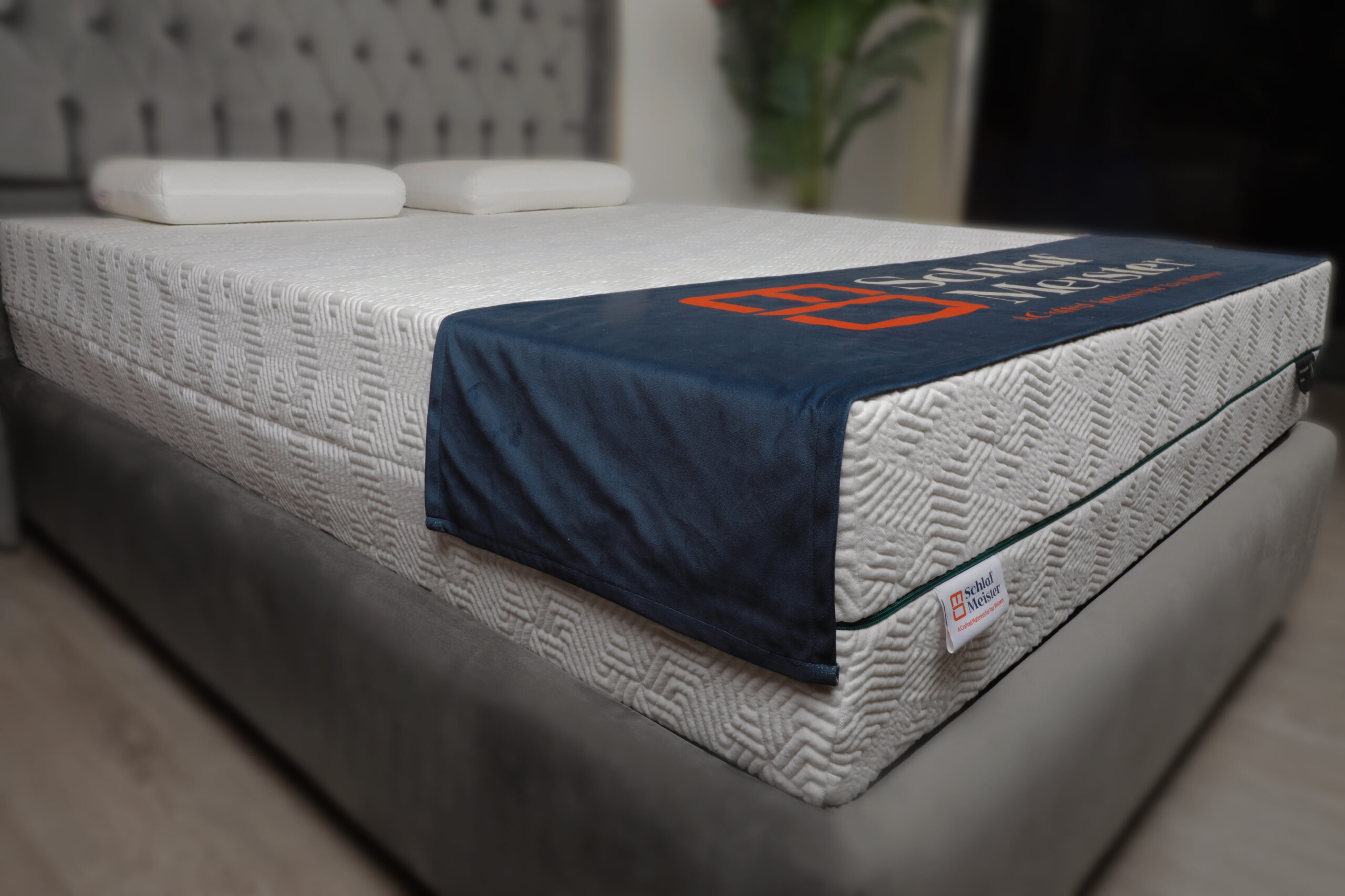
A mattress is more than just a place to rest — it’s the foundation of your daily energy, posture, and recovery. If you’re waking up tired, stiff, or uncomfortable, your mattress may be the reason.
1) Start with your sleep position
Your sleeping position is the easiest way to narrow down the best feel:
Side sleepers: usually need more pressure relief at the shoulders and hips. A medium feel is often more comfortable.
Back sleepers: need balanced support to keep the spine aligned. Medium-firm is a popular choice.
Stomach sleepers: typically do better with firmer support to prevent the hips from sinking too much.
2) Firmness vs. support (they’re not the same)
People often say “firm” when they actually mean “supportive.”
A supportive mattress keeps your spine aligned. A mattress can feel soft on top yet still be supportive underneath.
3) Think about heat and comfort layers
If you sleep warm, look for breathable materials and a structure that allows airflow. Comfort layers also matter: they determine the “first impression” feel when you lie down.
4) Don’t ignore motion transfer
Sharing a bed? Motion transfer matters. A stable mattress can reduce sleep interruptions when a partner turns during the night.
Quick checklist before you buy
✅ Your primary sleep position
✅ Preferred feel (medium / medium-firm / firm)
✅ Partner needs (motion isolation)
✅ Temperature sensitivity
✅ Correct size for your room and lifestyle
Final tip: give your body time to adjust. Many people need a short break-in period to feel the real benefit of a new mattress.